Button Text

About Emilee Greenman

Emilee is the founder of Playful Pathways and is passionate about supporting kids, teens, and families through life's ups and downs. She believes real healing happens when we feel safe to show up as our authentic selves and that play, imagination, and laughter make growth possible even on hard days.

Emilee earned a Bachelor of Social Work degree from Oakland University and her Master of Social Work with a focus in human development and family studies from Michigan State University. She also holds a degree in American Sign Language and is deaf friendly allowing us to effectively serve kids and families in the deaf community. Emilee credits her seven-plus years working hands-on with kids, teens, and families in various settings for shaping the therapist she is today.

Emilee is an active member of the Association for Play Therapy and continually refines her approach through continued training and supervision in play therapy.

Playful to her core, Emilee builds quick trust with kids, unlocking creativity, problem-solving, and healing in ways that feel natural and fun. Outside the playroom, she's with her sweet family enjoying lake life or hanging with friends.

About Celia Hilden

Celia is a compassionate therapist who excels at connecting with children and teens on their level. She creates a warm, safe space where they feel heard and free to explore emotions at their own pace, building deep trust that sparks real growth and healing.

A Clinical Social Worker with her Bachelor of Arts in Psychology from Albion College and Master of Social Work from the University of Michigan, Celia specializes in anxiety, emotional regulation, behavior challenges, focus and executive functioning, and big life changes. As a Registered Yoga Teacher (200-hour RYT), she gently weaves in mindfulness and body-focused practices to support emotional well-being.

Through playful, evidence-based approaches, she helps kids build coping skills and confidence, while partnering closely with parents to share practical tools for support at home.

Outside of sessions, Celia enjoys spending time with her cat and dog, baking treats, and staying active. She brings genuine warmth, creativity, and expertise to every session, and has a special way of making therapy feel fun and safe.

Welcome to Playful Pathways

Therapy for children and teens

We create play-driven spaces where children and families feel supported, understood, and empowered to grow.


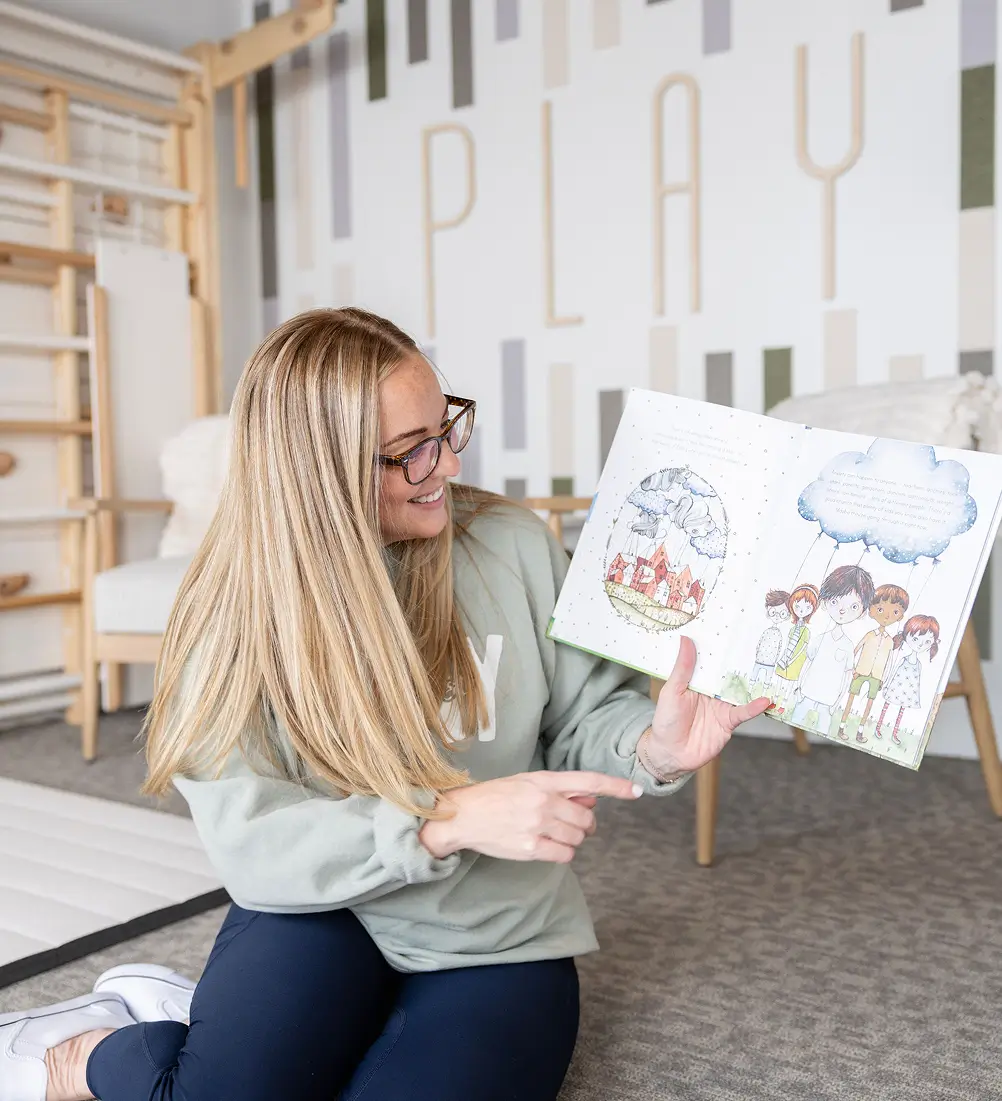
Therapist with long blonde hair reading a children's book in front of the white-and-sage 'PLAY' wall mural at Playful Pathways
Play therapist reading a children's book in front of the PLAY mural at Playful Pathways in Berkley, Michigan
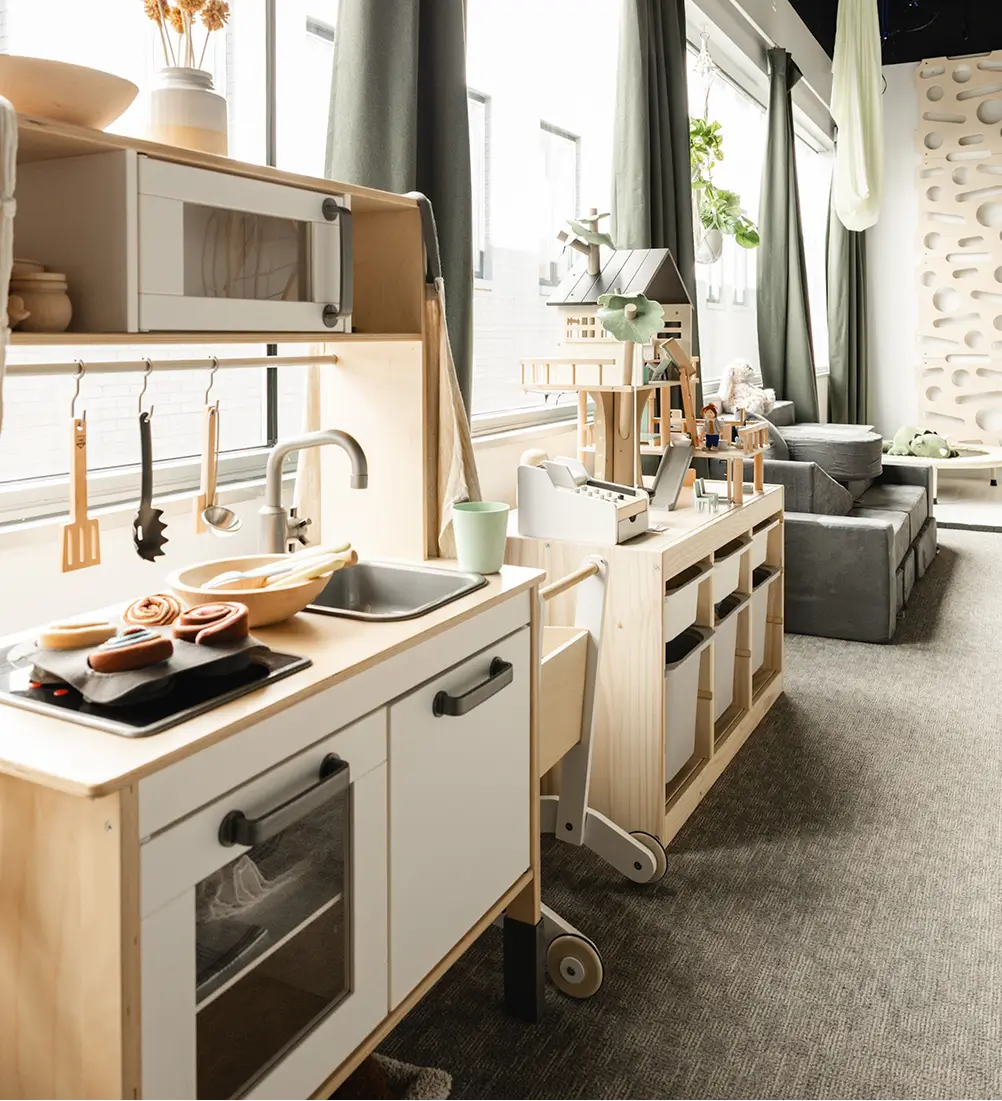
Child therapy play kitchen and sensory wall area used for imaginative and regulation work
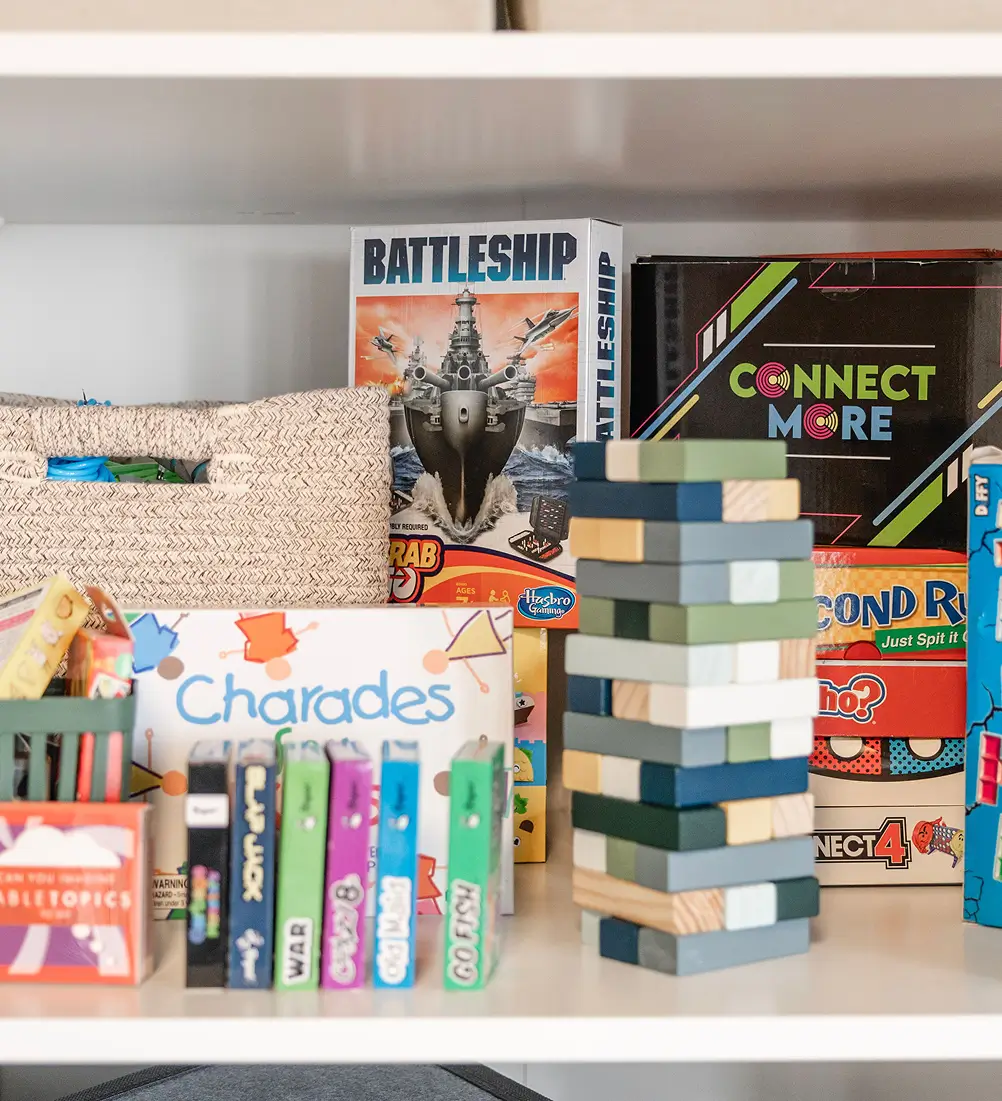
Family therapy game shelf with Battleship, Charades, and Jenga used for connection-building sessions
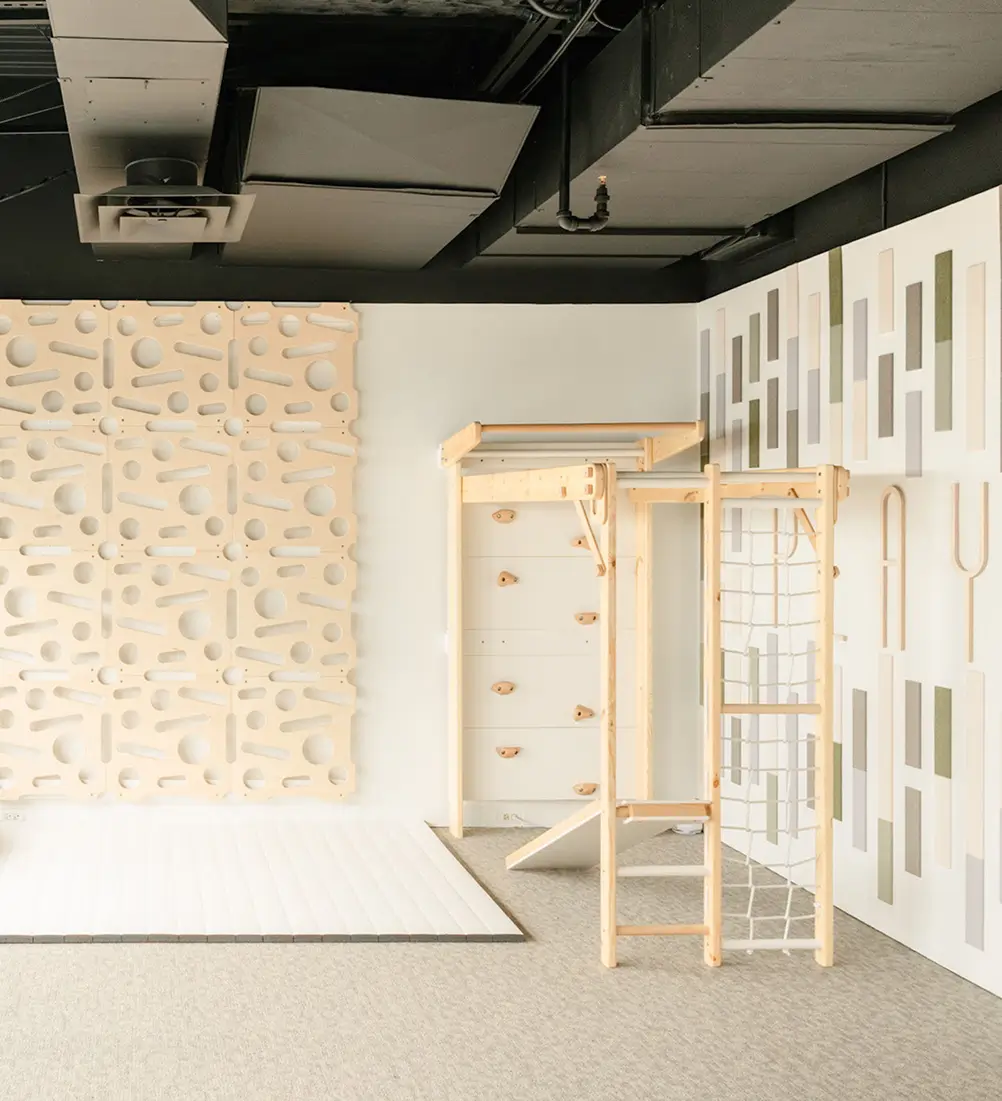
Teen therapy sensory lounge with a climbing wall, sofas, and a low table at Playful Pathways in Berkley

Adult, teen, and child brains function in very different ways. We believe their therapy should look different too.

Play Therapy Explained

How it matches your child’s developing brain.

Ever wonder why your child feels everything so big, but words don't come easy?

Left Brain

The left brain, our wordy, logical buddy for language, chronological steps, and reasoning, takes its sweet time to kick in. So when big feelings hit kids, their talk often flops. Their brain naturally turns to play to sort it all out.

Right Brain

A child's right brain develops first, handling emotion, intuition, creativity, and those heart melting expressions. It’s their fun, feeling side that loves sensory play and connection.

Sure, kids don't "adult" their feelings like we do, but they've got a powerhouse of tools in their right brain.

Through play and imagination, the right side sparks growth across the brain, fueling the slower left side. Suddenly, new language pops up, problem solving clicks, and cause and effect connections happen, all thanks to those neural bridges built in fun. That's why play is the work of childhood. It's how they wire up for smarts and strength.

In a typical therapy office, space for movement is limited, making a mess is a real concern, and being “too loud” is always an issue. Spaces are filled with cozy seating, soft lighting and lean toward talk-based approaches, because that’s what the environment supports best.

Although kids can still make great progress in such spaces, they don’t fully leverage the natural wiring of the developing brain.

Ever notice how big feelings in little bodies come pouring out through loud bursts of energy?

Movement lights up the vestibular and proprioceptive systems, helping kids self-regulate, build body awareness, and release stress (thanks oxytocin and serotonin).

Messy sensory play strengthens brain connections, sharpens focus, and allows emotions to process through touch.

Activities such as safe yelling, stomping, giggling, and singing help discharge energy and turn raw feelings into something kids can handle. Research shows these experiences build emotional control, resilience, and problem solving.

At first glance, a play therapy session might look like pure fun, but it's real guided work with a trained therapist. Kids often lack words for big feelings, so play becomes their voice.

A child might draw a stormy scene instead of saying "I'm scared," or make a teddy bear "hide" or "get mad" to show what's going on inside. For a child experiencing divorce, play therapy might look like building two forts where one is mom's house and the other is dad's house. They spend time playing in each “house” exploring the differences, rules, and questions the child has as they play through this new reality for their family.

Teen brains are in a whole new league! With the prefrontal cortex powering up, they have greater language, self-reflection, and abstract thinking than kids. But their emotions still run hot, and full brain maturity takes until their mid 20s, so they also benefit from play therapy, just in cooler, more teen friendly ways.

Sessions could look like swinging on a hammock while talking things out, tossing a football to loosen up heavy topics, making friendship bracelets to process relationships, painting or doodling what words can’t quite say, or even playing board games like Jenga or UNO to build trust and spark deeper chats.

Research shows these adapted play approaches help teens regulate emotions, strengthen coping skills, and build resilience. It feels like “just hanging out.” But it’s smart targeted healing, perfect for their current brain development.

Does your child struggle with…

Anxiety

In play therapy, anxious kids can safely “try on” their worries using stories, dolls, and pretend
scenes instead of being pushed to talk before they’re ready. Together with the therapist, they
gently practice coping skills like brave play, grounding, and relaxation while feeling seen and
understood. Over time, anxiety usually feels less in charge, and your child can move through
daily life with more calm, confidence, and ease.

Depression

When a child feels low, flat, or unmotivated, play therapy offers a warm, low-pressure space where they can reconnect with small moments of joy and interest. The therapist follows your child’s pace, helping them name feelings, build routines that feel doable, and rediscover what makes them feel alive and connected. The goal is for your child to feel less alone, more hopeful, and more engaged with the people and activities that matter to them.

Anger

In the playroom, anger is welcomed as information, not a “problem” to get rid of; kids are allowed to express big energy in safe and contained ways. Using role-play, art, and movement, your child experiments with what anger is trying to say and learns ways to pause, communicate, and calm their body. Over time, outbursts often become less intense and less frequent as your child feels more in control of their feelings and actions.

Low Self-Esteem

Play therapy gives children a steady space where they are valued just as they are, not for how well they perform or behave. The therapist gently challenges harsh self-talk, highlights strengths, and invites your child into experiences of success, capability, and repair. Over time, kids often develop a kinder inner voice and a more solid sense of “I am enough,” even when things don’t go perfectly.

Sensory Processing Issues

For kids who feel everything “too much” or “not enough,” play therapy offers a predictable, sensory-aware environment tailored to their nervous system. Through sensory play, movement,
and co-regulation with a calm adult, your child practices noticing what their body needs and
using tools that support it. The aim is not to erase sensitivity, but to help your child better understand it and navigate daily life with more comfort and confidence.

Divorce / Separation

When families change, kids often carry big questions and worries they can’t quite put into words; play therapy lets them work through these in stories and pretend play. The therapist helps your child explore feelings about two homes, new routines, and shifting relationships while reinforcing safety and connection. Over time, children can make more sense of what’s
happening, feel less “in the middle,” and trust that they are deeply loved in both spaces.

Obsessive Compul-sive Behaviour

In play therapy, kids can act out their rituals, fears, and “rules” using toys and miniatures, which makes talking about OCD feel less scary and more manageable. The therapist gently supports  them in experimenting with small changes in play,like delaying or modifying a ritual, while staying regulated and supported. Gradually, your child can begin to feel more in control of their
thoughts and actions, instead of feeling controlled by them.

Sibling Rivalry

The playroom becomes a safe practice ground for the push-pull of sibling relationships including navigating jealousy, competition, hurt feelings, and repairing the relationship. Through role-play and games, children explore fairness, turn-taking, and how to express needs without hurting each other or themselves.  Over time, siblings can learn healthier ways to communicate, share space, and feel connected, even when they don’t agree.

Trauma

Children who have been through scary or overwhelming experiences often replay pieces of the story in their play; in therapy, this becomes a healing pathway. The therapist stays closely attuned as your child revisits and reshapes these scenes, validating feelings and helping them
find safer, more empowered endings. The goal is for those memories to feel less overwhelming,
and for your child to carry more safety, strength, and meaning instead of just fear.

Grief / Loss

When a child experiences loss, play therapy offers a gentle space where memories, questions, and big feelings can be expressed through art, stories, and symbolic play. The therapist honors your child’s unique way of grieving, helping them remember, stay connected, and slowly integrate the loss into their ongoing story. Over time, many children feel more able to talk about their person or pet, carry their love forward, and re-engage with life while still honoring their grief.

Shyness

For a shy child, play therapy is a softly lit, low-pressure setting where they can warm up at their own pace, often starting with quiet or imaginative play. The therapist builds trust slowly, following your child’s lead and giving them lots of experiences of being listened to, respected, and successful in small social risks. Over time, many kids feel more comfortable speaking up,
joining in, and letting others see who they are.

ADHD

In play therapy, kids with ADHD are encouraged to move, explore, and be themselves; the room is set up to work with their energy, not against it. The therapist helps your child practice skills like pausing, noticing body cues, and making choices all through games and activities that feel engaging, not like “work.” The goal is to grow their self-awareness, self-compassion, and ability to use their strengths while building better focus and self-control.

Phobias

Play therapy lets children approach their specific fears in indirect, playful ways using stories, figurines, and pretend scenarios that feel safer than facing things head-on at first. The therapist gently supports them in taking tiny, tolerable steps toward their fear, while practicing calming strategies and feeling in charge of the pace. Over time, many kids feel less trapped by their
phobia and more empowered to handle the things that used to feel impossible.

Impulsivity

In the playroom, impulsive behavior shows up naturally in games and activities, giving the therapist real-time chances to help your child notice and practice new choices. Through playful challenges, they work on pausing, thinking ahead, and tolerating “not yet,” all within a warm relationship that celebrates effort. Over time, kids often become better able to slow down, consider consequences, and feel proud of the times they make a different choice.

Decision Making Skills

Play therapy creates many small opportunities for your child to make choices like what to play, how to solve a problem or how to handle a tricky situation in a story. The therapist supports them in noticing options, weighing pros and cons, and tuning into their own values and body cues. Little by little, your child can grow more confident making decisions, trusting their inner
compass, and learning from mistakes without harsh self-judgment.

Difficulty Making Friends

In play therapy, friendship struggles are explored through games, role-play, and stories that mirror real-life situations in a way that feels safer and more manageable. Your child practices starting conversations, joining play, handling “no,” and repairing after conflict while being
guided and encouraged. Over time, many kids find it easier to connect with peers, feel more like themselves in groups, and build friendships that feel mutually respectful and fun.

Play therapy can help.

Does your child struggle with…

Anxiety

In play therapy, kids can act out their rituals, fears, and “rules” using toys and miniatures, which makes talking about OCD less scary and more manageable. The therapist gently supports them in experimenting with small changes in play, like delaying or modifying a ritual, while staying regulated and supported. Gradually, the child can begin to feel more in control of their thoughts and actions, instead of feeling controlled by them.

Depression

When a child feels low, flat, or unmotivated, play therapy offers a warm, low-pressure space where they can reconnect with small moments of joy and interest. The therapist follows your child’s pace, helping them name feelings, build routines that feel doable, and rediscover what makes them feel alive and connected. The goal is for your child to feel less alone, more hopeful, and more engaged with the people and activities that matter to them.

Anger

In the playroom, anger is welcomed as information, not a “problem” to get rid of; kids are allowed to express big energy in safe and contained ways. Using role-play, art, and movement, your child experiments with what anger is trying to say and learns ways to pause, communicate, and calm their body. Over time, outbursts often become less intense and less frequent as your child feels more in control of their feelings and actions.

Low Self-Esteem

Play therapy gives children a steady space where they are valued just as they are, not for how well they perform or behave. The therapist gently challenges harsh self-talk, highlights strengths, and invites your child into experiences of success, capability, and repair. Over time, kids often develop a kinder inner voice and a more solid sense of “I am enough,” even when things don’t go perfectly.

Sensory Processing Issues

For kids who feel everything “too much” or “not enough,” play therapy offers a predictable, sensory-aware environment tailored to their nervous system. Through sensory play, movement, and co-regulation with a calm adult, your child practices noticing what their body needs and using tools that support it. The aim is not to erase sensitivity, but to help your child better understand it and navigate daily life with more comfort and confidence.

Divorce / Separation

When families change, kids often carry big questions and worries they can’t quite put into words; play therapy lets them work through these in stories and pretend play. The therapist helps your child explore feelings about two homes, new routines, and shifting relationships while reinforcing safety and connection. Over time, children can make more sense of what’s happening, feel less “in the middle,” and trust that they are deeply loved in both spaces.

Obsessive Compul-sive Behaviour

In play therapy, kids can act out their rituals, fears, and “rules” using toys and miniatures, which makes talking about OCD feel less scary and more manageable. The therapist gently supports them in experimenting with small changes in play, like delaying or modifying a ritual, while staying regulated and supported. Gradually, your child can begin to feel more in control of their thoughts and actions, instead of feeling controlled by them.

Sibling Rivalry

The playroom becomes a safe practice ground for the push-pull of sibling relationships including navigating jealousy, competition, hurt feelings, and repairing the relationship. Through role-play and games, children explore fairness, turn-taking, and how to express needs without hurting each other or themselves. Over time, siblings can learn healthier ways to communicate, share space, and feel connected, even when they don’t agree.

Trauma

Children who have been through scary or overwhelming experiences often replay pieces of the story in their play. In therapy, this becomes a healing pathway. The therapist stays closely attuned as the child revisits and reshapes these scenes, validating feelings and helping them find safer, more empowered endings. The goal is for those memories to feel less overwhelming, and for the child to carry more safety, strength, and meaning instead of just fear.

Grief / Loss

When a child experiences loss, play therapy offers a gentle space where memories, questions, and big feelings can be expressed through art, stories, and symbolic play. The therapist honors the child’s unique way of grieving, helping them remember, stay connected, and slowly integrate the loss into their ongoing story. Over time, many children feel more able to talk about their person or pet, carry their love forward, and re-engage with life while still honoring their grief.

Shyness

For a shy child, play therapy is a low-pressure setting where they can warm up at their own pace, often starting with quiet or imaginative play. The therapist builds trust slowly, following the child’s lead and giving them lots of experiences of being listened to, respected, and successful in small social risks. Over time, many kids feel more comfortable speaking up, joining in, and letting others see who they are.

ADHD

In play therapy, kids with ADHD are encouraged to move, explore, and be themselves; the room is set up to work with their energy, not against it. The therapist helps the child practice skills like pausing, noticing body cues, and making choices all through games and activities that feel engaging, not like “work.” The goal is to grow their self-awareness, self-compassion, and ability to use their strengths while building better focus and self-control.

Phobias

Play therapy empowers children to confront their specific fears in indirect, playful ways, using stories, figurines, and pretend scenarios that feel safer than facing things head-on. The therapist gently supports them in taking tiny, tolerable steps toward their fear, while practicing calming strategies and feeling in charge of the pace. Over time, many kids feel less trapped by their phobia and more empowered to handle the things that used to feel impossible.

Impulsivity

In the playroom, impulsive behavior shows up naturally in games and activities, giving the therapist real-time opportunity to help the child notice and practice new choices. Through playful challenges, children work on pausing, thinking ahead, and tolerating “not yet,” all within a warm relationship that celebrates effort. Over time, kids often become better able to slow down, consider consequences, and feel proud when they make a better choice.

Decision Making Skills

Play therapy creates many small opportunities for a child to make choices like what to play, how to solve a problem or how to handle a tricky situation in a story. The therapist supports them in noticing options, weighing pros and cons, and tuning into their own values and body cues. Little by little, the child can grow more confident making decisions, trusting their inner compass, and learning from mistakes without harsh self-judgment.

Difficulty Making Friends

In play therapy, friendship struggles are explored through games, role-play, and stories that mirror real-life situations in a way that feels safer and more manageable. The child practices starting conversations, joining play, handling “no,” and repairing after conflict while being guided and encouraged. Over time, many kids find it easier to connect with peers, feel more like themselves in groups, and build friendships that feel mutually respectful and fun.

Anxiety

In play therapy, anxious kids can safely “try on” their worries using stories, dolls, and pretend scenes instead of being pushed to talk before they’re ready. Together with the therapist, they gently practice coping skills like brave play, grounding, and relaxation while feeling seen and understood. Over time, anxiety usually feels less in charge, and the child can move through daily life with more calm, confidence, and ease.

Divorce / Separation

When families change, kids often carry big questions and worries they can’t quite put into words. Play therapy encourages them to work through these in stories and pretend play. The therapist helps the child explore feelings about two homes, new routines, and shifting relationships while reinforcing safety and connection. Over time, children can make more sense of what’s happening, feel less “in the middle,” and trust that they are deeply loved in both spaces.

Depression

When a child feels low, flat, or unmotivated, play therapy offers a warm, low-pressure space where they can reconnect with small moments of joy and interest. The therapist follows the child’s pace, helping them name feelings, build routines that seem doable, and rediscover what makes them feel alive and connected. The goal is for the child to feel less alone, more hopeful, and more engaged with the people and activities that matter to them.

Anger

In the playroom, anger is welcomed as information, not a “problem” to get rid of; kids are allowed to express big energy in safe and contained ways. Using role-play, art, and movement, the child experiments with what anger is trying to say and learns ways to pause, communicate, and calm their body. Over time, outbursts often become less intense and less frequent as the child feels more in control of their feelings and actions.

Sensory Processing Issues

For kids who feel everything “too much” or “not enough,” play therapy offers a predictable, sensory-aware environment tailored to their nervous system. Through sensory play, movement, and co-regulation with a calm adult, the child practices noticing what their body needs and using tools that support it. The aim is not to erase sensitivity, but to help the child better understand it and navigate daily life with more comfort and confidence.

Low Self-Esteem

Play therapy gives children a steady space where they are valued just as they are, not for how well they perform or behave. The therapist gently challenges harsh self-talk, highlights strengths, and invites the child into experiences of success, capability, and repair. Over time, kids often develop a kinder inner voice and a more solid sense of “I am enough,” even when things don’t go perfectly.

Obsessive Compulsive Behavior

In play therapy, kids can act out their rituals, fears, and “rules” using toys and miniatures, which makes talking about OCD less scary and more manageable. The therapist gently supports them in experimenting with small changes in play, like delaying or modifying a ritual, while staying regulated and supported. Gradually, the child can begin to feel more in control of their thoughts and actions, instead of feeling controlled by them.

Sibling Rivalry

The playroom becomes a safe practice ground for the push-pull of sibling relationships including navigating jealousy, competition, hurt feelings, and repairing the relationship. Through role-play and games, children explore fairness, turn-taking, and how to express needs without hurting each other or themselves. Over time, siblings can learn healthier ways to communicate, share space, and feel connected, even when they don’t agree.

Trauma

Children who have been through scary or overwhelming experiences often replay pieces of the story in their play. In therapy, this becomes a healing pathway. The therapist stays closely attuned as the child revisits and reshapes these scenes, validating feelings and helping them find safer, more empowered endings. The goal is for those memories to feel less overwhelming, and for the child to carry more safety, strength, and meaning instead of just fear.

Grief / Loss

When a child experiences loss, play therapy offers a gentle space where memories, questions, and big feelings can be expressed through art, stories, and symbolic play. The therapist honors the child’s unique way of grieving, helping them remember, stay connected, and slowly integrate the loss into their ongoing story. Over time, many children feel more able to talk about their person or pet, carry their love forward, and re-engage with life while still honoring their grief.

Shyness

For a shy child, play therapy is a low-pressure setting where they can warm up at their own pace, often starting with quiet or imaginative play. The therapist builds trust slowly, following the child’s lead and giving them lots of experiences of being listened to, respected, and successful in small social risks. Over time, many kids feel more comfortable speaking up, joining in, and letting others see who they are.

ADHD

In play therapy, kids with ADHD are encouraged to move, explore, and be themselves; the room is set up to work with their energy, not against it. The therapist helps the child practice skills like pausing, noticing body cues, and making choices all through games and activities that feel engaging, not like “work.” The goal is to grow their self-awareness, self-compassion, and ability to use their strengths while building better focus and self-control.

Phobias

Play therapy empowers children to confront their specific fears in indirect, playful ways, using stories, figurines, and pretend scenarios that feel safer than facing things head-on. The therapist gently supports them in taking tiny, tolerable steps toward their fear, while practicing calming strategies and feeling in charge of the pace. Over time, many kids feel less trapped by their phobia and more empowered to handle the things that used to feel impossible.

Impulsivity

In the playroom, impulsive behavior shows up naturally in games and activities, giving the therapist real-time opportunity to help the child notice and practice new choices. Through playful challenges, children work on pausing, thinking ahead, and tolerating “not yet,” all within a warm relationship that celebrates effort. Over time, kids often become better able to slow down, consider consequences, and feel proud when they make a better choice.

Decision Making Skills

Play therapy creates many small opportunities for a child to make choices like what to play, how to solve a problem or how to handle a tricky situation in a story. The therapist supports them in noticing options, weighing pros and cons, and tuning into their own values and body cues. Little by little, the child can grow more confident making decisions, trusting their inner compass, and learning from mistakes without harsh self-judgment.

Difficulty Making Friends

In play therapy, friendship struggles are explored through games, role-play, and stories that mirror real-life situations in a way that feels safer and more manageable. The child practices starting conversations, joining play, handling “no,” and repairing after conflict while being guided and encouraged. Over time, many kids find it easier to connect with peers, feel more like themselves in groups, and build friendships that feel mutually respectful and fun.

Play therapy can help.

Calming play therapy room with macrame hanging plants and natural light at our Berkley Michigan clinic
ADHD therapy movement room with sensory peg wall, indoor climbing wall, slide, and cargo net for active kids
Child therapy play kitchen and sensory wall area used for imaginative and regulation work
Family therapy game shelf with Battleship, Charades, and Jenga used for connection-building sessions
Teen therapy sensory lounge with a climbing wall, sofas, and a low table at Playful Pathways in Berkley
Therapist with long blonde hair reading a children's book in front of the white-and-sage 'PLAY' wall mural at Playful Pathways
Play therapist reading a children's book in front of the PLAY mural at Playful Pathways in Berkley, Michigan
Arched bookshelf in our child therapy office stocked with social-emotional and CBT workbooks for kids
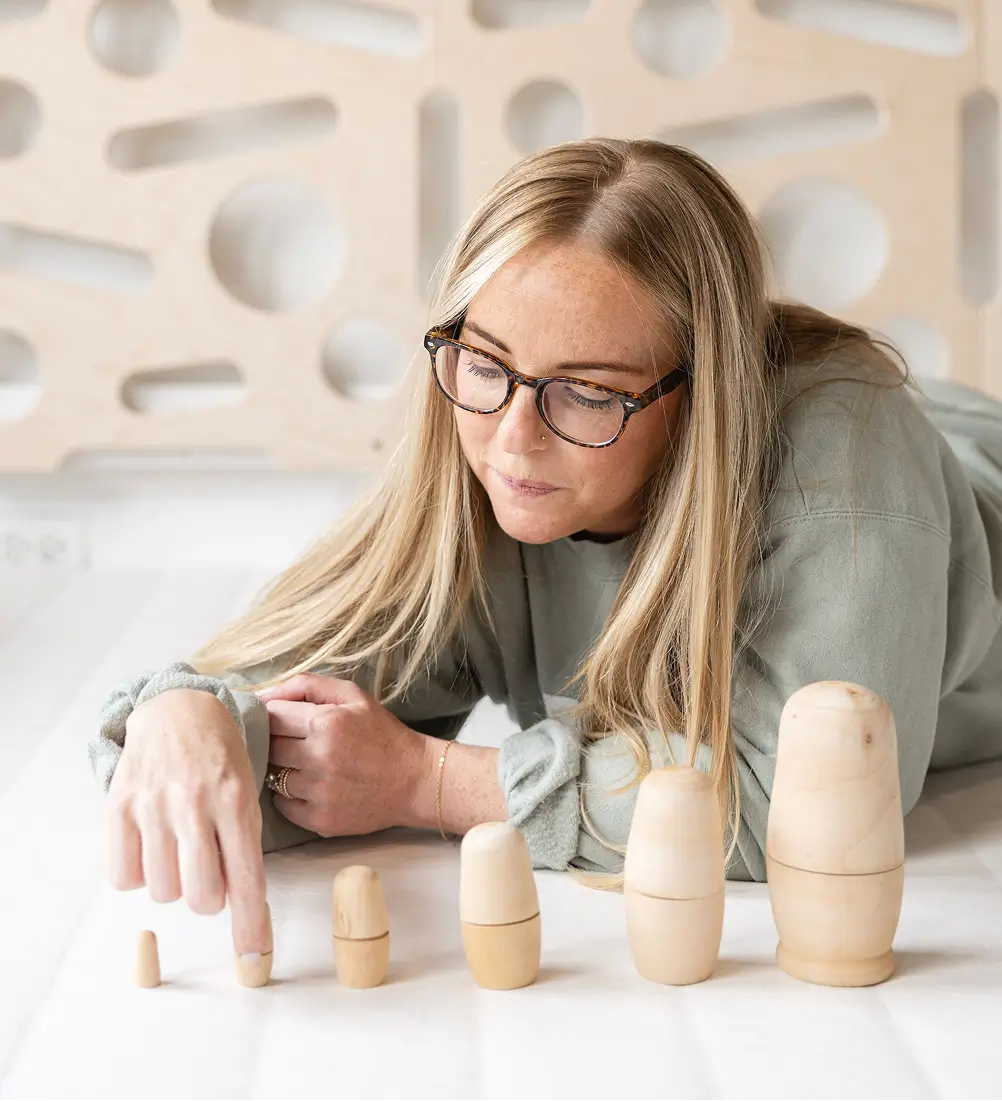
Play therapist using wooden nesting dolls in a one-on-one play therapy session at Playful Pathways
Art therapy table set up for a kids counselor session with paint palette, pom-poms, and brushes at Playful Pathways

Our Approach

At Playful Pathways we zoom out to observe and interact with the whole child. We ask questions such as, who’s in their circle? What are your family strengths and challenges? How does your child function at school? How is their physical health? And what are the spiritual values that matter to your family? Life is messy and we strive to meet you in the middle of it.

Parents are the true experts of your child, so we keep you closely connected. You get clear, thoughtful updates on what’s unfolding (while protecting your child’s trust), real insights into their inner world, and practical steps to carry the progress home. We want to be your partner at every step along the way. When a developing brain meets the right environment, skilled guidance, and parents who feel equipped and supported, lasting change unfolds naturally.
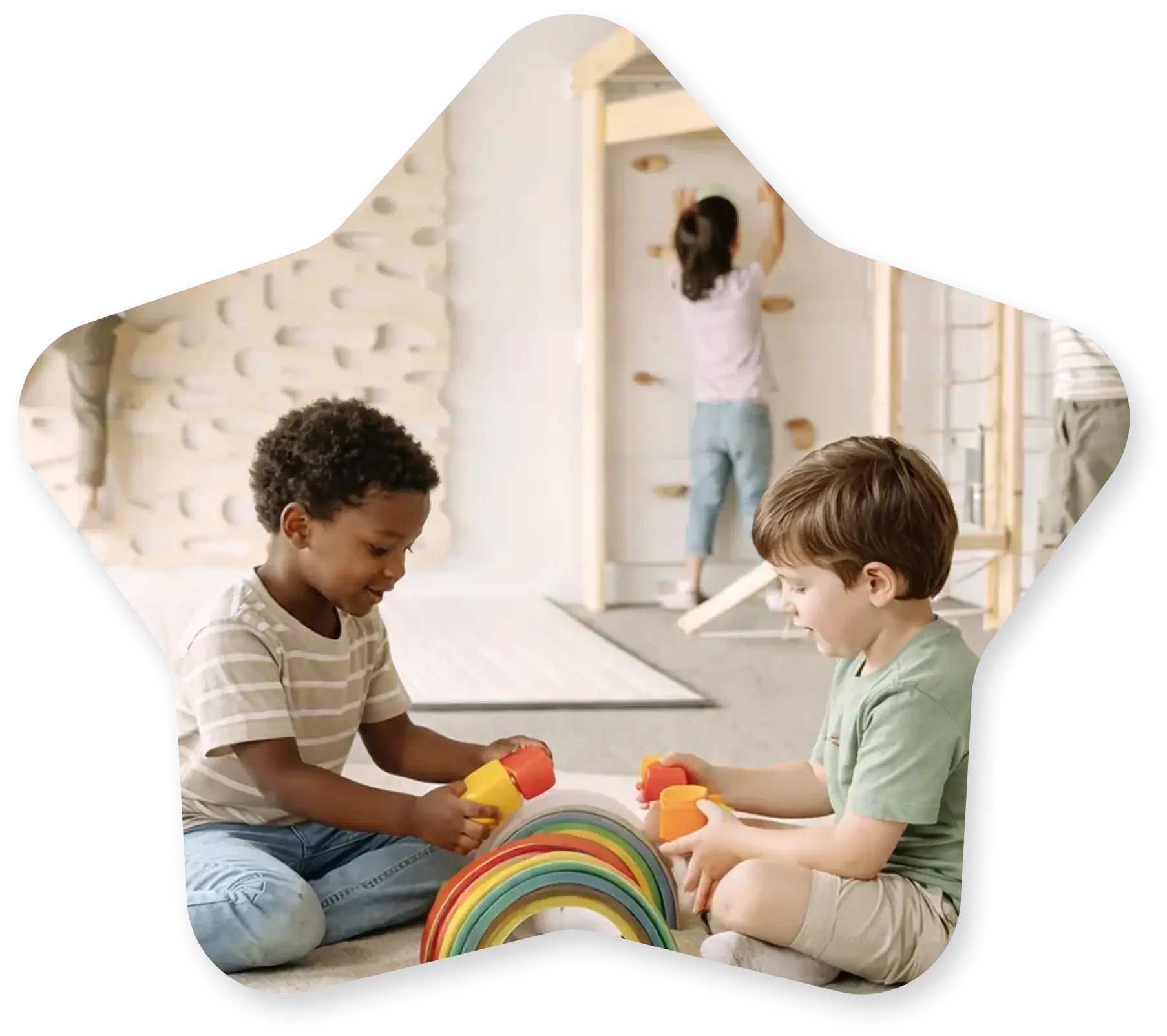

Kids in a play therapy session using a wooden rainbow stacker while another child climbs the rock wall at Playful Pathways

“Enter into a child’s play and you will find the place where their minds, hearts and souls meet.”

— Virginia M. Axline

Meet our Team

Emilee Greenman, LMSW-C — Therapist at Playful Pathways smiling at an art table holding a paintbrush, with the 'PLAY' mural and a ukulele behind her

Emilee Greenman, LMSW-C

— Founder & Therapist

Read more
Celia Hilden, child and teen therapist at Playful Pathways with long auburn hair in a cream blazer, smiling in front of the striped wall

Celia Hilden, LLMSW

— Therapist

Read more
Jessica, Playful Pathways Billing Manager

Jessica Waters

— Billing Manager

Read more

Trusted Voices

Respected community leaders who trust and support Playful Pathways.

Annette Looser — trusted community voice supporting Playful Pathways

When I visited Playful Pathways, I immediately felt the warmth and purpose behind the space Emilee has created. As Campus Director at Brightmont Academy, I deeply value partners who support the whole child, both academically and emotionally. Playful Pathways is a trusted resource for families seeking compassionate, expert care.”

Morgan Hadden, LLP — trusted community voice supporting Playful Pathways

Emilee has a natural gift for connecting with children, helping them feel safe, seen, and understood right away. Her warmth and authenticity make it easy for kids to open up. She creates fun, meaningful games and activities tailored to your child that help them process emotions and build important skills. Emilee walks alongside families with compassion and insight during tough seasons, supporting your child while empowering you as a parent. She’s an exceptional clinician I would wholeheartedly trust with any child or family.

Joe Savalle — trusted community voice supporting Playful Pathways

Emilee is a true honor to work with in helping children and youth reach their goals. Her dedication to children impacted by trauma and foster care has guided the creation of therapeutic programs that promote healing and hope. More than a professional, she embodies purpose in action, and we’re grateful to have her lead and teach within our mission, Love for a Child.

Ashley Lombardo, MS, OTRL — trusted community voice supporting Playful Pathways

As a pediatric occupational therapist, I’ve had the pleasure of collaborating with Emilee for many years. Her insight, compassion, and play-centered approach have profoundly benefited the families we serve. Emilee builds trust through connection and creativity, making therapy both effective and meaningful. I wholeheartedly recommend her to anyone seeking impactful, child-centered care.

Ashley Lombardo, MS,OTRL

Pediatric Occupational Therapist
Keisha Nolan M.A., CCC-SLP, COM,CLC — trusted community voice supporting Playful Pathways

Playful Pathways is a truly special place for children and families. Emilee brings a natural ability to connect with children through play, creating an environment that is joyful and engaging. She is a fun, spirited individual whose energy is contagious, making every session something children look forward to. Her approach fosters not only development but also confidence and creativity in each child she works with. It’s clear that her passion and genuine care make a meaningful impact.

Coming Soon!

Workshops, Classes, and Groups

At Playful Pathways, our workshops, classes, and groups are designed to empower you with professional guidance, practical tools, and creative strategies to navigate the challenges of raising children. We’re currently shaping our lineup and would love your input. Join our mailing list below to receive the class schedule first when it’s ready!

Thank you! Your submission has been received!
Oops! Something went wrong while submitting the form.
Play therapist using wooden nesting dolls during a child therapy session, shown in a star-shaped photo crop

Summer Tutoring

Playful learning with an elementary teacher

Insurance

We are in network with Blue Cross Blue Shield, Blue Care Network, and Aetna.

Superbill

Not in network with your insurance? We are happy to provide you with documentation that you can submit to your insurance company for potential reimbursement.

Private Payments

We accept all major credit cards, HSAs, check, and cash payments.

You Don’t Have to
Figure This Out Alone.

Fill out the form below, and we'll connect with you to see if we are a good fit for your family.

1
2

About You

Your Child

About You

Next
1
2

About You

Your Child

Your Child

Go Back
⚠️Please fill the required fields

You are All Set !

We’ll reach out soon to find a time to chat, thanks!

Illustration of a friendly brain character welcoming families to the Playful Pathways child therapy intake form
Oops! Something went wrong while submitting the form.
-->